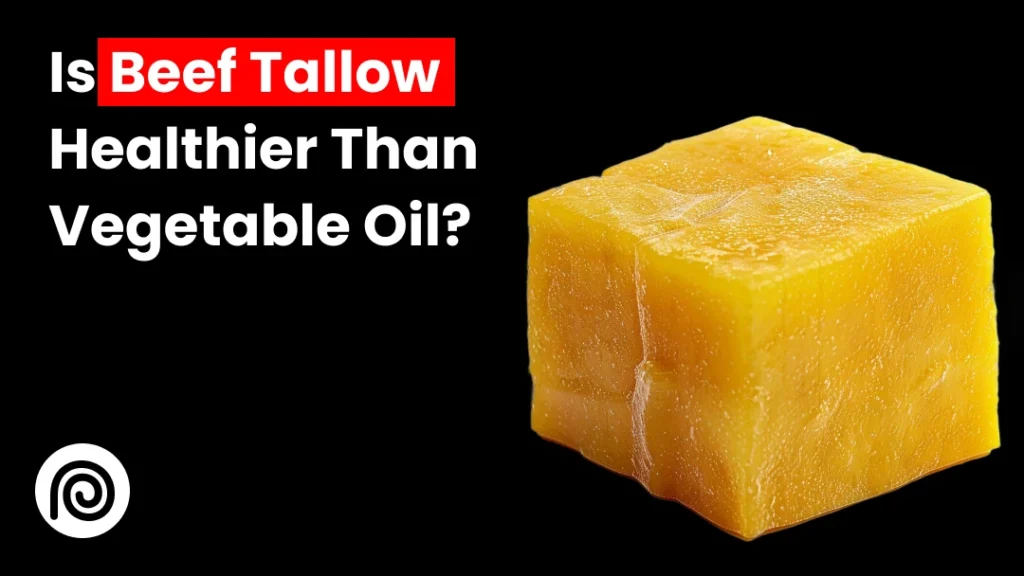
Beef tallow is surging in popularity across American kitchens in 2026, driven by a shift toward ancestral, minimally processed fats amid growing concerns over ultra-processed seed oils. Whole Foods has named it a top trend, with sales up 96% in natural channels and global market projections doubling to $19.7 billion by 2035. This revival reflects consumers seeking sustainable, nose-to-tail eating that prioritizes flavor, stability, and nutrient density.
Why Beef Tallow Trends in 2026
Search interest in beef tallow has skyrocketed to 1.9 million monthly Google searches, up 267% year-over-year, fueled by social media buzz on TikTok and health podcasts. Health enthusiasts praise its high smoke point of 420-480°F, ideal for frying without breaking down into harmful compounds, unlike many vegetable oils. Sustainability plays a key role too: tallow utilizes beef byproducts, aligning with regenerative agriculture and reducing food waste in a “whole-animal” approach.
Grass-fed versions from brands like Epic Provisions emphasize clean sourcing, appealing to those ditching industrial fats.
This jar of grass-fed beef tallow captures the simple, pure product gaining shelf space at major retailers.
Health Comparison: Beef Tallow vs. Vegetable Oils
Beef tallow excels in stability with 50% saturated fats and 42% monounsaturated fats, resisting oxidation during high-heat cooking. Vegetable oils like canola, soybean, and sunflower are high in polyunsaturated fatty acids (PUFAs), producing up to 20 times more toxic aldehydes when heated, per a 2020 Scientific Reports study.
Tallow from grass-fed beef provides bioavailable vitamins A, D, E, K2, and CLA, supporting immune function, bone health, and fat metabolism—nutrients often absent or processed out of vegetable oils. Seed oils’ excess omega-6 (ratios up to 40:1) promotes inflammation linked to heart disease and diabetes, while tallow’s balanced 2:1 ratio is closer to ancestral diets.
| Aspect | Beef Tallow thetallow+1 | Vegetable Oils (e.g., Canola, Soy) |
|---|---|---|
| Smoke Point | 420-480°F | 350-450°F (breaks down faster) |
| Fatty Acids | 50% saturated, low PUFA | High PUFA (60-80%), prone to oxidation |
| Nutrients | Vitamins A/D/E/K2, CLA | Some vitamin E/K, but processed with solvents |
| Oxidation Risk | Low; stable for frying | High; forms aldehydes, trans fats |
| Omega-6:3 Ratio | ~2:1 | 7:1 to 40:1 |
Best Choice for Health-Conscious Eating
For optimal health, choose beef tallow over vegetable oils, especially for cooking above medium heat—it minimizes harmful byproducts and delivers stable energy without inflammation spikes. Opt for grass-fed sources to maximize CLA and omega-3s, enhancing metabolic and cognitive benefits.
Complement with extra virgin olive oil for low-heat or cold uses, maintaining variety in a balanced diet. Recent meta-analyses confirm no heart disease link to saturated fats like tallow, overturning outdated advice. Start simple: swap tallow into roasting potatoes or searing steak for richer flavor and crispier results.
A close-up of beef tallow in cooking highlights its creamy texture, perfect for everyday upgrades.
Sources:
- Journey Foods on tallow trends: https://www.journeyfoods.io/blog/sustainable-fats-are-back-why-beef-tallow-and-ancestral-ingredients-are-trending-in-2026
- The Tallow comparison: https://thetallow.net/blogs/why-beef-tallow/beef-tallow-vs-vegetable-oil-which-cooking-fat-is-actually-better-for-you
- Dr. Axe benefits: https://draxe.com/nutrition/beef-tallow-benefits/
- Food Business News: https://www.foodbusinessnews.net/articles/30006-beef-tallow-is-trending