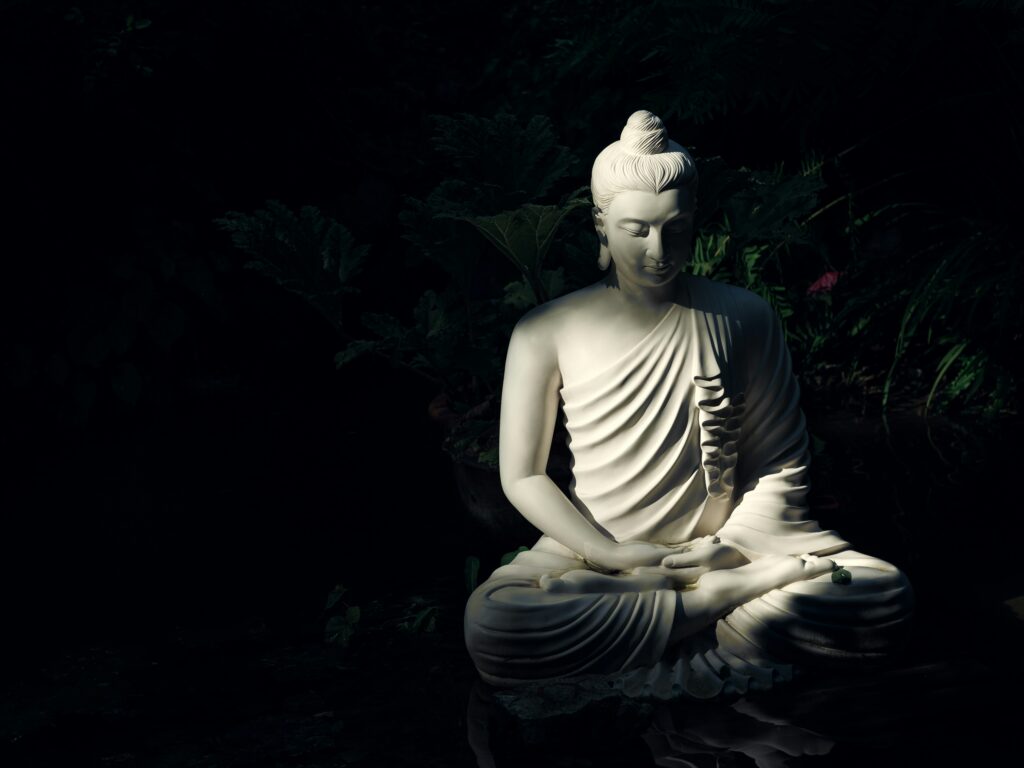
In Western cultures today, emotional well-being is gaining recognition as essential to a fulfilling life, alongside physical health. While therapy and mindfulness apps offer valuable tools, Eastern traditions provide profound, time-tested practices that cultivate inner peace and resilience. Rooted in philosophies like Buddhism, Taoism, and Hinduism, these methods emphasize harmony between mind, body, and spirit. They help manage stress, foster self-awareness, and build emotional balance—perfect complements to contemporary wellness routines.
Drawing from ancient Eastern cultures, here are five key practices that can enhance emotional well-being. Each offers specific benefits backed by both tradition and modern insights, making them accessible for daily integration.
1. Mindfulness Meditation (Buddhist Tradition)
Mindfulness meditation, central to Buddhism, involves sitting quietly and observing thoughts and sensations without judgment. Practitioners focus on the breath to anchor in the present moment.
This practice improves emotional well-being by reducing rumination on past regrets or future worries, which often fuel anxiety and depression. Studies show it lowers cortisol levels, enhances focus, and promotes a sense of calm and gratitude. Regular sessions—even 10 minutes daily—build resilience, helping individuals respond to challenges with clarity rather than reactivity.
2. Tai Chi (Taoist Roots)
Tai Chi is a gentle, flowing sequence of movements synchronized with deep breathing, originating from Chinese Taoism. It resembles slow-motion choreography, emphasizing balance and intentional motion.
Emotionally, it excels at releasing pent-up tension and improving mood regulation. The deliberate movements quiet the mind, reduce stress hormones, and foster a meditative state that eases anger and frustration. By promoting mind-body harmony, Tai Chi enhances self-compassion and emotional stability, particularly beneficial for those feeling overwhelmed.
3. Yoga (Hindu Philosophy)
Yoga, from ancient India, combines physical postures (asanas), breath control (pranayama), and meditation. It views the body as a vessel for emotional energy.
It supports emotional health by balancing the nervous system, decreasing symptoms of anxiety and depression through increased GABA (a calming neurotransmitter). Poses like child’s pose or forward bends release stored emotions, while breathwork prevents emotional overwhelm. Over time, yoga cultivates equanimity, helping practitioners navigate life’s ups and downs with grace.
4. Tea Ceremony (Chan/Zen Buddhism)
The Japanese Chanoyu or Korean Darye tea rituals involve mindfully preparing and sipping tea, emphasizing presence, simplicity, and respect. Each step—from warming the bowl to whisking matcha—honors the moment.
This practice boosts emotional well-being by instilling tranquility and gratitude for small things, countering the haste of modern life. The ritual’s focus on harmony and purity quiets mental chatter, reduces irritability, and nurtures contentment. It’s an ideal low-effort entry for building daily rituals of joy.
5. Forest Bathing (Shinrin-Yoku, Japanese)
Forest bathing entails immersive, slow walks in nature, engaging all senses without goals like hiking. Developed in Japan, it encourages “bathing” in the forest atmosphere.
It enhances emotions by lowering stress via phytoncides (natural oils from trees) that boost NK cells and mood. This sensory reset diminishes feelings of isolation and overwhelm, fostering awe and connection. Even urban parks can mimic the effect, making it practical for emotional rejuvenation.
These Eastern practices stand out for their holistic approach: they address emotional roots through embodiment, presence, and connection, rather than isolation. Start small—perhaps 10 minutes of meditation or a mindful tea break—and notice subtle shifts in mood and outlook.
Incorporating them can bridge Eastern wisdom with Western priorities, enriching emotional lives in sustainable ways. For deeper dives, explore guided sessions from reputable sources.
Sources: